Chapter 13
At a glance
- Chapter 13 lets an individual with regular income keep their property and repay all or part of their debts through a plan that lasts three to five years.
- It can stop a foreclosure, catch up missed house or car payments, and spread recent taxes over time.
- Most of the debt left at the end of the plan is discharged.
- Chapter 13 suits people whose income is above the Chapter 7 line, who are behind on a house or car, or who want to protect property.
Chapter 13 bankruptcy lets an individual with regular income keep their property and repay all or part of their debts through a plan that lasts three to five years. It can stop a foreclosure, catch up missed house or car payments and spread recent taxes over time, and most of the debt left at the end of the plan is discharged. These articles cover who files it, how the plan works and what to do when life changes mid-plan.
6 Reasons To File Bankruptcy After A Mortgage Modification
Eliminate Your Credit Card Debt
 When minimum payments no longer make a dent, bankruptcy can stop the collection calls and discharge the balances. Here is how it works.
Common Myths about Bankruptcy
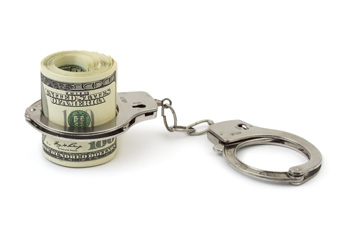 Most fears about bankruptcy rest on things that are not true. This article separates the myths from how bankruptcy actually works.
Who Files Chapter 13 Bankruptcy?
 Chapter 13 suits people whose income is above the Chapter 7 line, who are behind on a house or car, or who want to protect property. See who qualifies and how long a plan lasts.
What Happens If I Miss My Chapter 13 Payment?
Stop Repossessions with Bankruptcy
 Falling behind on a car loan can lead to repossession quickly. Filing bankruptcy halts a pending repossession and, in Chapter 13, lets you catch up the missed payments over time.
How Bankruptcy Works Now
Missing Chapter 13 Bankruptcy Payments
Does My Chapter 13 Payment Change With My Income?
 Your plan payment is not set in stone. Learn how a plan is modified when your income falls or rises, and what happens if you cannot finish it.
Bankruptcy for Small Businesses
Frequently Asked Questions
How long does a Chapter 13 plan last?
A Chapter 13 plan lasts three years if your income is below your state's median income, and five years if your income is at or above that level. The court must confirm the plan before it takes effect, and you make monthly payments to a trustee who distributes funds to your creditors.
Can I file Chapter 13 if I am behind on my mortgage?
Yes. This is one of the most common reasons people choose Chapter 13. The automatic stay stops foreclosure from the day you file, and the plan lets you spread the overdue mortgage balance over three to five years while continuing your regular monthly mortgage payments.
How is the Chapter 13 payment amount determined?
Your payment is based on your disposable income after allowed living expenses, and it must also be enough to give unsecured creditors at least what they would receive in a Chapter 7 liquidation. Your attorney works with the trustee to calculate a fair amount, and the court must approve the plan.
What happens if I miss a Chapter 13 payment?
Missing payments may cause the trustee or a creditor to ask the court to dismiss your case. If your case is dismissed, the automatic stay ends and creditors may resume collection. Contact a bankruptcy attorney right away if you cannot make a payment — the plan may be modifiable, or the case may be convertible to Chapter 7.
What debts survive a Chapter 13 discharge?
Child support, alimony, most student loans, and certain recent income taxes that were not paid in full during the plan generally survive. Most other unsecured debt left at the end of a successfully completed plan is discharged.