About Chapter 7 Bankruptcy
At a glance
- Chapter 7 can permanently discharge most unsecured debts — including credit cards, medical bills, and payday loans — typically within three months of filing.
- The automatic stay halts most collection actions from the day the case is filed, including calls, lawsuits, garnishments, repossessions, and foreclosure.
- Most clients keep all of their property thanks to bankruptcy exemptions covering homes, vehicles, furniture, retirement plans, and more.
- Non-exempt property can be sold by the trustee; clients who cannot afford to lose an asset may benefit more from Chapter 13.
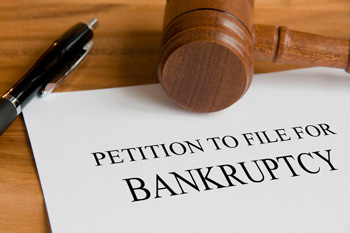 The different types of bankruptcy are divided into chapters. Chapter 7 and Chapter 13 bankruptcy are the two most common chapters that individuals and small business owners file. Here is some information that we hope will help shed some light on the unique power offered by Chapter 7 bankruptcy:
Wipe Out Debt Permanently
Chapter 7 bankruptcy is a great solution for individuals who have become burdened by hardships and unmanageable amounts of business, medical and credit card debt, bank and payday loans, tax debt and even debts against secured assets. Harnessing the power of Chapter 7 bankruptcy, our clients routinely and permanently wipe away an individual’s personal liability on debt in amounts between $5,000 and $5,000,000 - with no further obligations to their creditors! Another incredible aspect is that this process usually only takes 3 months.
Stop Harassment, Garnishments, Repossessions & Foreclosures!
Creditors tend to be very aggressive with collections, especially on larger amounts of debt. Unfortunately, they often utilize a string of half-truths and flat out lies to scaring people to get their way. It’s no wonder there are so many misconceptions about bankruptcy - your creditors are the last people that want you to know how it really works.
The “automatic stay” is one of the most powerful provisions within the bankruptcy code that prohibits creditors from any collection efforts once an individual’s case is filed. So basically, the bankruptcy court has the power to “push pause” on your creditors and instantly halt collections and even legal action - regardless of where it is in the process.
The automatic stay is effective for the duration of the bankruptcy process. After the debt is wiped away, a “discharge injunction” is issued which provides permanent protection after the automatic stay expires. Both of these provisions prohibit creditors from attempting to collect discharged debts from you, and the penalties for creditors that decide to disobey this order can be severe.
Keep and Protect Property
A common misconception is that if you file for bankruptcy, you’ll lose everything. Nothing could be further from the truth. Most of the time our clients keep everything they own. How? The bankruptcy code has what are called “exemptions,” which are used to shield your valued assets from the bankruptcy process (and your creditors). Exemptions cover many types of property including homes, land, vehicles, tools, furniture, clothing, jewelry, and much more. Additionally, life insurance cash value, workers compensation claims, and retirement plans are all exempt. Exemptions are controlled at the state level, so it’s important to discuss them with a local bankruptcy attorney.
However, it’s important to note that in a Chapter 7 bankruptcy, any non-exempt property can be auctioned off by the bankruptcy court to repay your creditors. Also, when exempting property that is secured with a loan, such as a financed car or a mortgage, (known as “reaffirming”) those payments must be current and kept current throughout the bankruptcy process. If you are unable to catch up on payments but would like to keep the property, Chapter 13 bankruptcy may be a better alternative that allows you to catch up on the delinquent payments over the next few years while maintaining possession of the property.
When implemented properly, exemptions provide incredible results that allow you to maintain your way of life while wiping away debts that could otherwise threaten it.
Get Rid Of Unwanted Property
Trying to ditch property outside of the bankruptcy process results in the creditor or lien holder being able to repossess the property and go after the debtor for all kinds of fees, interests and of course the remaining balance after the property is auctioned off (most likely at a price that is significantly under the market value).
Fortunately, Chapter 7 allows you to surrender these “assets” and the associated debts. That’s right - the lender is forever prohibited from going after the debtor for any related collections or fees, and the debtor is released from any contractual obligations. This can be a blessing to individuals and families that are struggling to keep up with payments on vehicles, homes or other assets they can no longer afford.
Conclusion
By getting out of debt, you create a world of new opportunities and possibilities. No longer is the heavy burden of harassing phone calls, building interest, collection and legal fees, repossessions and foreclosure something that weighs you down every day. Chapter 7 bankruptcy can transform your finances and your life, and creates lasting peace of mind. To see if you meet the qualifications to file a Chapter 7, consult with an accomplished and knowledgeable bankruptcy law firm in your state.
The Means Test
To qualify for Chapter 7, your income must pass the means test. The test compares your average monthly income over the six months before filing to the median income for a household your size in your state.
- If your income is at or below the median, you generally qualify for Chapter 7.
- If your income is above the median, a second part of the test subtracts certain allowed living expenses and secured-debt payments to see whether you have leftover disposable income that should go to unsecured creditors. Earning above the median does not automatically disqualify you.
The U.S. Trustee Program publishes current median-income figures at justice.gov/ust/means-testing. A bankruptcy attorney can run the calculation for your specific income and household.
Utah and California Exemptions at a Glance
Exemption amounts protect property from the bankruptcy trustee. The amounts below apply to filers in Utah and California and change over time; we confirm the current figures for your case during your free consultation.
Utah Exemptions (Utah Code, Title 78B, Chapter 5)
| Exemption | Single Filer | Joint Filing (both owners) | Statute |
|---|---|---|---|
| Homestead (primary residence) | $52,400 (2025; adjusts each January) | $104,700 (2025; adjusts each January) | § 78B-5-503 |
| Motor vehicle | $3,000 | $6,000 | § 78B-5-506 |
The homestead amount is set by statute at a base of $42,000 and adjusted each January by the Utah State Auditor. The 2025 figures — $52,400 (single filer) and $104,700 (joint ownership) — are from the State Auditor’s January 2025 publication. Check the State Auditor’s current table each January for the latest figures.
California Exemptions — Two Systems
California lets Chapter 7 filers choose one of two exemption systems. You cannot mix and match.
System 1 — C.C.P. § 703.140(b) (available in Chapter 7 only)
| Exemption | Amount | Statute | Effective |
|---|---|---|---|
| Homestead | $36,750 | § 703.140(b)(1) | April 1, 2025 |
| Motor vehicle (one vehicle) | $8,625 | § 703.140(b)(2) | April 1, 2025 |
| Wildcard (unused homestead + cash) | up to $38,700 | § 703.140(b)(5) | April 1, 2025 |
Amounts under § 703 adjust every three years; the next adjustment is April 1, 2028.
System 2 — C.C.P. § 704 (available in both Chapter 7 and Chapter 13)
| Exemption | Amount / Rule | Statute | Notes |
|---|---|---|---|
| Homestead (primary residence) | The greater of the county median single-family home sale price (prior year) or $300,000 (the 2025 CPI-adjusted floor is $361,076), not exceeding $600,000 (the 2025 CPI-adjusted cap is $722,507) | § 704.730 | Floor and cap both adjust each January 1 for California CPI (effective January 1, 2022); figures shown are 2025 |
| Motor vehicle (one vehicle) | $8,625 | § 704.010 | Effective April 1, 2025; next adjustment April 1, 2028 |
The § 704.730 homestead applies only to a principal residence. The county median price comes from the prior calendar year. The 2025 CPI-adjusted floor is $361,076 and the cap is $722,507 (ABI Journal calculation; statute). Both the floor and cap adjust each January 1 for California CPI. Confirm the current year’s figures at leginfo.legislature.ca.gov or with a California bankruptcy attorney.
Related Topics:
‹ Bankruptcy Property Exemptions up About Chapter 13 Bankruptcy ›
Frequently Asked Questions
How long does Chapter 7 bankruptcy take?
Most Chapter 7 cases are completed in about three to four months from the date of filing. The court schedules a brief meeting of creditors — called the 341 meeting — within about a month of filing. The discharge order typically arrives within 60 days of that meeting.
Will I lose my house in Chapter 7?
Not necessarily. If your home equity falls within your state's homestead exemption and your mortgage payments are current, you may keep the house by reaffirming the loan. If you are behind on mortgage payments, Chapter 13 may be a better option because it lets you catch up the overdue amount over the life of the plan.
Can I keep my car in Chapter 7?
In most cases, yes. Vehicle equity within your state's motor-vehicle exemption limit is protected. If you still owe money on the car and want to keep it, you will generally need to reaffirm the loan and stay current on payments. If the car has no loan, it is exempt up to the statutory limit.
What debts are not discharged in Chapter 7?
Some debts survive a Chapter 7 discharge, including most student loans, recent income taxes, child support and alimony, debts arising from fraud, and criminal fines. Credit cards, medical bills, personal loans, and most other unsecured debts can generally be discharged. A bankruptcy attorney can review your specific debts before you file.
What is the means test, and how does it work?
The means test compares your average monthly income over the six months before filing to your state's median income for a household your size. If your income is at or below the median, you generally qualify for Chapter 7. If it is above the median, a second calculation looks at your allowable living expenses to see whether you have disposable income that should go toward creditors. Earning above the median does not automatically disqualify you. Current median-income figures are published by the U.S. Trustee Program at justice.gov/ust/means-testing.
What debts can Chapter 7 discharge?
Chapter 7 can permanently discharge most unsecured debts, including credit card balances, medical bills, personal loans, utility arrears, and payday loans. It can also eliminate your personal liability on secured debts — such as a vehicle or home — that you choose to surrender, freeing you from any deficiency balance after the property is sold.